 According to the U.S. Census, there are 56 million people with disabilities (PWD) in the country. While this market intersects all races and ethnicities, on its own, it is larger than the African-American (42M), and Hispanic (35M) segments. Targeting this market can be challenging since disabilities are diverse, individuals don’t always disclose they have one, and there’s no residential segregation or concentrated areas in cities and towns where people with disabilities reside.
This begs the question: How do you reach them?
Representation matters and I celebrate (and patronize) disability inclusive companies. I applaud brands like Toyota, Facebook, Microsoft, Duracell, and AT&T, who’ve included authentic images of people with real disabilities, not actors faking it. In the 20 years since I founded SMG, one thing remains consistently true – to reach consumers and prospective employees with disabilities, your organizations must know how to reach them – on-the-ground or digitally.
Your organization’s ability to effectively reach candidates for employment or as customers depends on how well you understand the needs of people with various disabilities. Creating a candidate or buyer persona will help identify what their goals and challenges are as relates to familiarizing themselves with your business.
If you want to elevate brand affinity, drive business growth and shareholder value, and have a wider talent pool, there are a few actions your organization can take.
- Create the Candidate/Buyer Persona: Buyer personas are fictional, generalized representations of your ideal customers or candidates. They help you understand your customers/employees (and prospective customers) better and make it easier for you to tailor your marketing strategy to the specific needs, behaviors, and concerns of customers and employees. The strongest personas are based on market research and interviews you gather from your actual customer or employee base — through surveys, interviews, and so on.
- Go Where People with Disabilities (PwD) Are: This may seem like a no-brainer, but you’d be surprised how many organizations focus solely on internal processes and procedures, like starting an Employee Resource Group or sponsoring a disability-focused event with expectations that it’ll drive traffic. To move the needle, begin by identifying organizations to build relationships with that are trusted voices or influencers; reach/serve a large number of PwD, their families and allies; and, want to build a relationship with your company beyond a donation or contribution. The most beneficial partnership will add value to your organization by providing access, as well as resources and tools.
- Develop a Disability Inclusive Team at Headquarters and Beyond: Many organizations focus disability inclusion from the headquarters office. This team will have senior leadership support, and is responsible for providing the vision, resources and guidelines for disability inclusion, throughout the enterprise. Regional teams should be established to implement the vision, as well as build and maintain relationships with disability organizations in the region.
- Develop and Implement a Digital Marketing Strategy: According to Pew Research, “constant” internet usage among adults increased by 5% in just the last three years. The way the general market shops and buys is constantly changing, and the ground game must integrate online tactics. This means consistently connecting with the audience in the right place and at the right time, with resonant messaging. A few tactics to consider are:
- Content Marketing: Do you include disability-relevant blog posts, Ebooks or whitepapers, or infographics that generate brand awareness, lead generation or sales? If not, this is an excellent way to share your organization’s disability inclusive evolution.
- Social Media Marketing: This practice promotes your brand and your content on social media channels which increases brand awareness and drives traffic. Channels to consider are Facebook, Twitter, LinkedIn and Instagram.
- Email Marketing: Companies use email marketing to communicate with their audiences. Email can be used to promote content, discounts and events, such as job fairs. I suggest using emails of those you gather contact information from, at events or from your website, and use your company’s CRM system to consistently reach them. The types of emails to consider sending for an email marketing campaign include: blog subscription newsletters, follow-up emails to website visitors who download resources, customer welcome emails, holiday promotions, tips or a similar series of emails for customer nurturing.
Your ability to reach people with disabilities – as customers or candidates – relies heavily on C-Suite support, organizational will, focus and consistency.
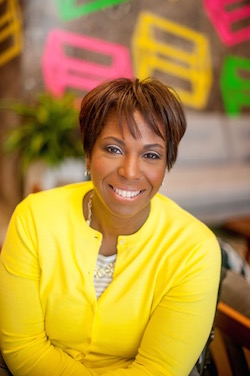
Carmen Daniels Jones
President and CEO
Solutions Marketing Group

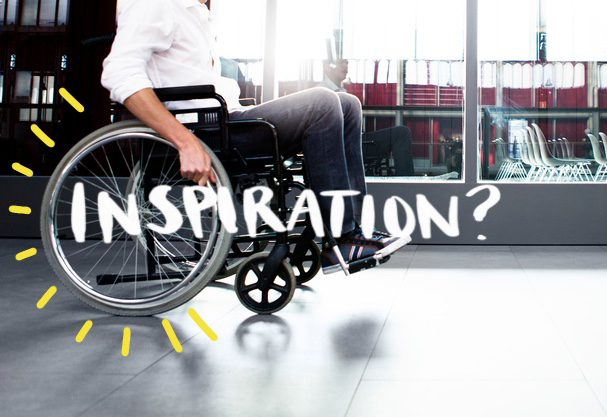 We’ve all seen people with disabilities in movies or commercials where the music and imagery make them seem either super human, brave or courageous. This usually follows themes such as: tragedy to triumph, some sort of athletic fete, or getting into the ‘in’ crowd. The word you’ve heard, and likely have said, is INSPIRATIONAL – the most over-used word to describe people with disabilities. We’ve all heard some variation of these messages: ‘People with disabilities are such an inspiration.’ Or, ‘When I see people like that, it makes me realize I have nothing to complain about.’ Many companies default to this type of messaging, which the disability community has categorized as “inspiration porn.” While well-intended, these types of portrayals can spark significant backlash from the disability community and its supporters.
 I started Solutions Marketing Group in 1998, when I saw the need for businesses to target people with disabilities, as consumers. As an African-American woman, companies marketed to me, but not as a person with a disability. I determined what services I was able to provide, and made a prospect list of clients to target. I had collateral designed and printed, and I began speaking at conferences to get ‘out there.’